



Sheet metal doesn’t always cooperate at room temperature. Titanium, high-strength alloys, and certain composites resist cold-forming techniques, and pushing them too hard without heat can lead to cracking or outright failure. That’s where hot forming and superplastic forming (SPF) come in.
Both rely on extreme heat to coax stubborn materials into complex shapes, and both are common in aerospace, defense (A&D), and automotive manufacturing. But while they share a family resemblance, hot forming vs SPF comes down to more than just heat. Understanding the difference can help engineers pick the right press for their next project.
Similarities Between Hot Forming and Superplastic Forming
Before comparing hot forming vs SPF directly, it’s worth looking at what the two processes have in common. A hot forming press and an SPF press can look nearly identical, and the physics driving both are closely related.
Muy Caliente: Temperatures North of 2000°F
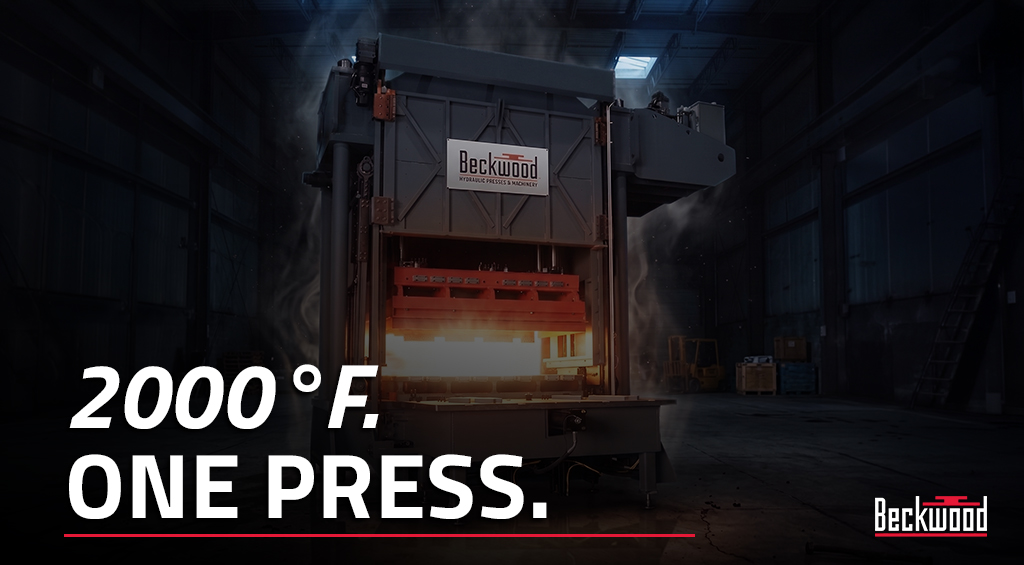
Both hot forming and SPF happen at temperatures most manufacturing floors never see: upwards of 2000°F, hot enough to change how a metal or composite behaves at a molecular level. At these temperatures, materials that would shatter under cold-forming pressure become pliable enough to stretch, bend, and mold into shapes that would be impossible otherwise.
Heated Platens
To reach and maintain these temperatures, both processes rely on heated platens built directly into the press. Rather than heating a part in a separate oven and rushing it over before it cools, heated platens keep the tooling itself at forming temperature, giving engineers precise control over the thermal cycle.
Built for Low Volume, High Mix Production
Neither hot forming nor SPF is designed for cranking out millions of identical parts. Both shine in low-volume, high mix environments, where a manufacturer might need a handful of complex geometries in titanium one week and a different alloy the next. This flexibility is why both methods are popular in A&D, where parts are often custom.
The Part Goes In Cold
In both processes, the raw material starts at room temperature and is heated by the process itself, rather than pre-heated elsewhere. The sheet is loaded into the press, the chamber closes, and heating begins, keeping the workflow contained to a single machine.
Shared Applications in A&D and Automotive
Because both processes handle high-temp alloys and advanced composites, hot forming and SPF show up across the same industries. Aerospace sheet metal forming applications lean on both methods for lightweight components like fuselage panels, brackets, and structural parts that need to hold their shape under extreme flight conditions. The automotive world also draws on both, particularly for weight-saving components where every ounce matters.
Ready to experience ingenuity unleashed? Discover custom hydraulic presses engineered for your manufacturing needs.
Hot Forming vs SPF Key Differences
Here’s where hot forming vs SPF part ways: the materials being formed, the tooling setup, and how the chamber is sealed.
The Hot Forming Process
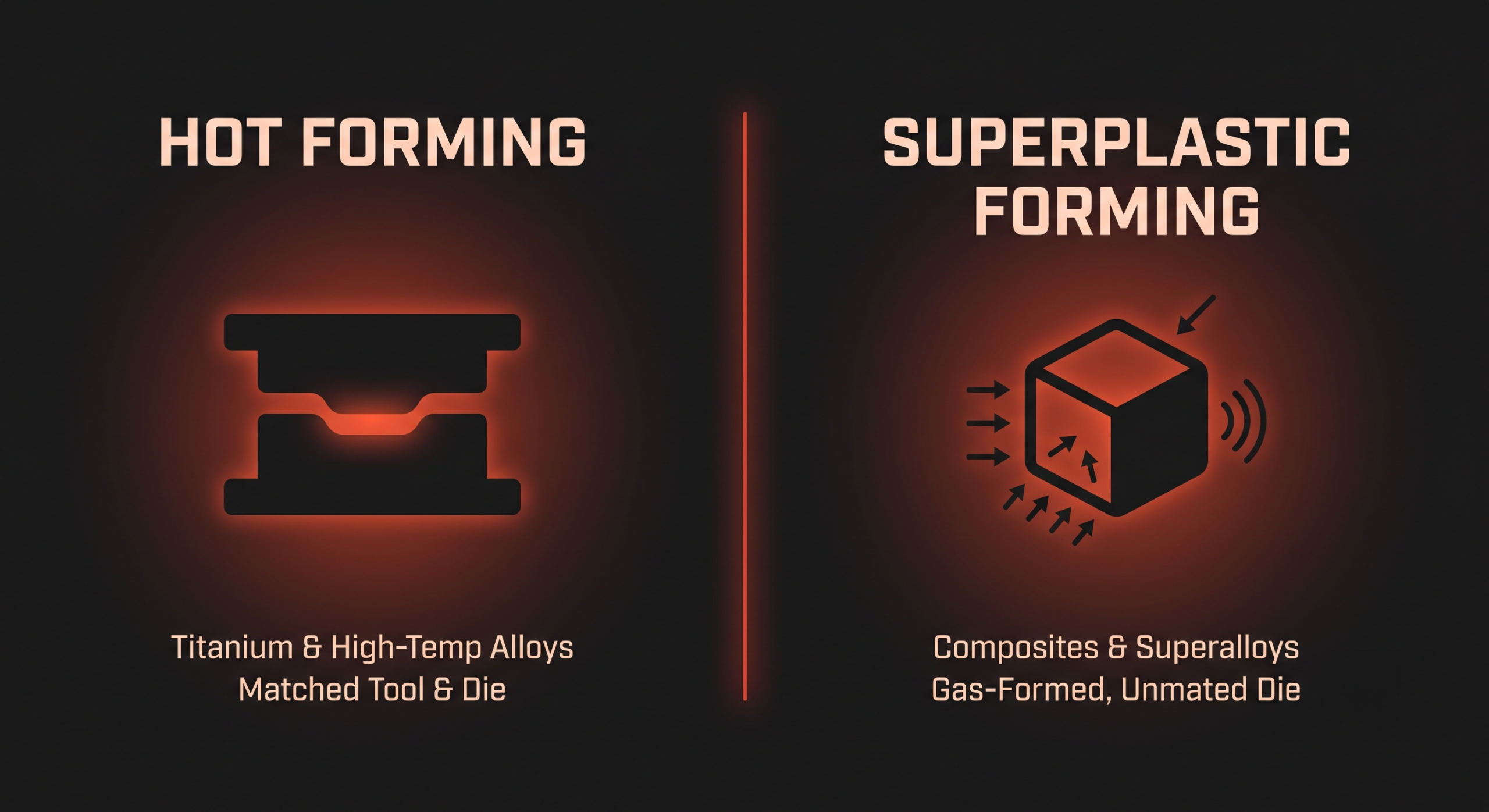
The hot forming process is built with high-temp alloys in mind, especially titanium, which is prized in aerospace for its strength-to-weight ratio but is notoriously tricky to shape at room temperature. Heat up the material, though, and it becomes far more workable.
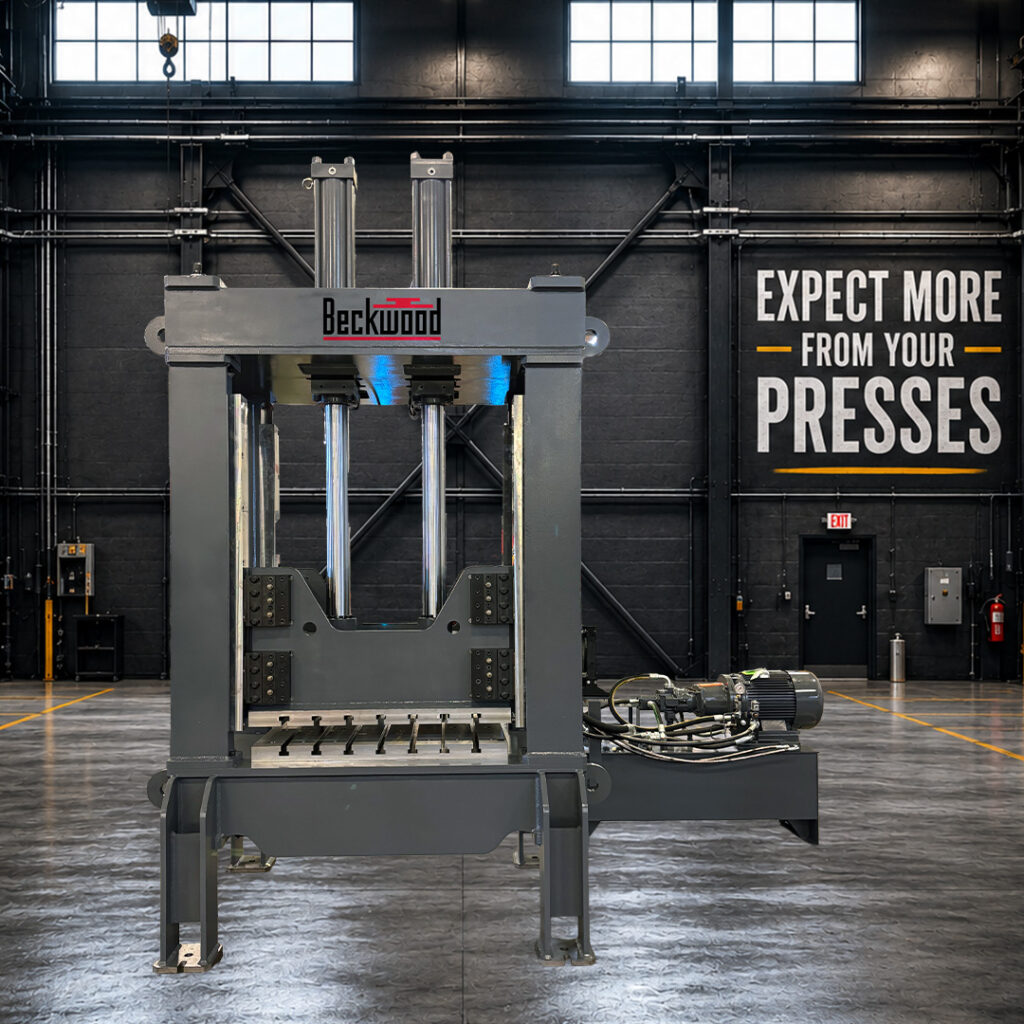
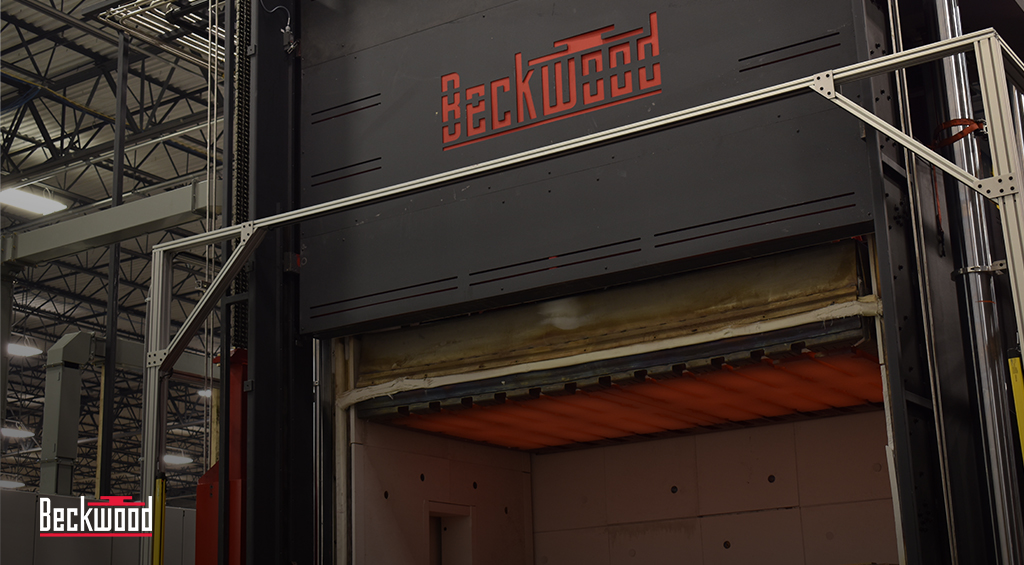
Hot forming presses use a matched tool and die setup. The tool and die mirror each other, so when the press closes, the heated material is squeezed between two surfaces that guide it into the finished geometry. The chamber is sealed to contain and hold heat, since the material needs to stay at a consistent temperature throughout the cycle.
This combination of matched tooling and sealed heat makes the hot forming process well-suited to parts that need tighter tolerances and defined geometry, like brackets, frames, and structural components.
The Superplastic Forming (SPF) Process
Superplastic forming takes a different approach, built for composites and superalloys that behave in unusual ways at extreme heat. When these materials hit the right temperature range, they become “superplastic,” meaning they can stretch dramatically, sometimes several times their original length, without tearing or thinning unevenly.
Because SPF materials need to stretch rather than get squeezed between two matched surfaces, the tooling looks different. Instead of a tool and die that mirror each other, SPF uses an unmated die, and the material is formed into it using gas pressure rather than mechanical force alone. An argon supply feeds pressurized gas into the chamber, pushing the heated material against the die until it takes shape.
Because this process depends on gas pressure as much as heat, the chamber has to be sealed for both. It’s not enough to trap heat; the seal also needs to hold pressurized argon without leaking. This is one of the clearest markers of hot forming vs SPF: one seals for heat alone, the other seals for heat and pressure together.
So the choice depends largely on what you’re trying to form. Titanium and other high-temp alloys headed for a matched tool and die setup point toward hot forming. Composites and superalloys that need to stretch into complex geometries point toward SPF.
Need a custom hot forming or SPF press? Beckwood designs hydraulic presses built for your exact application.
Built to Handle Both: Beckwood's Approach
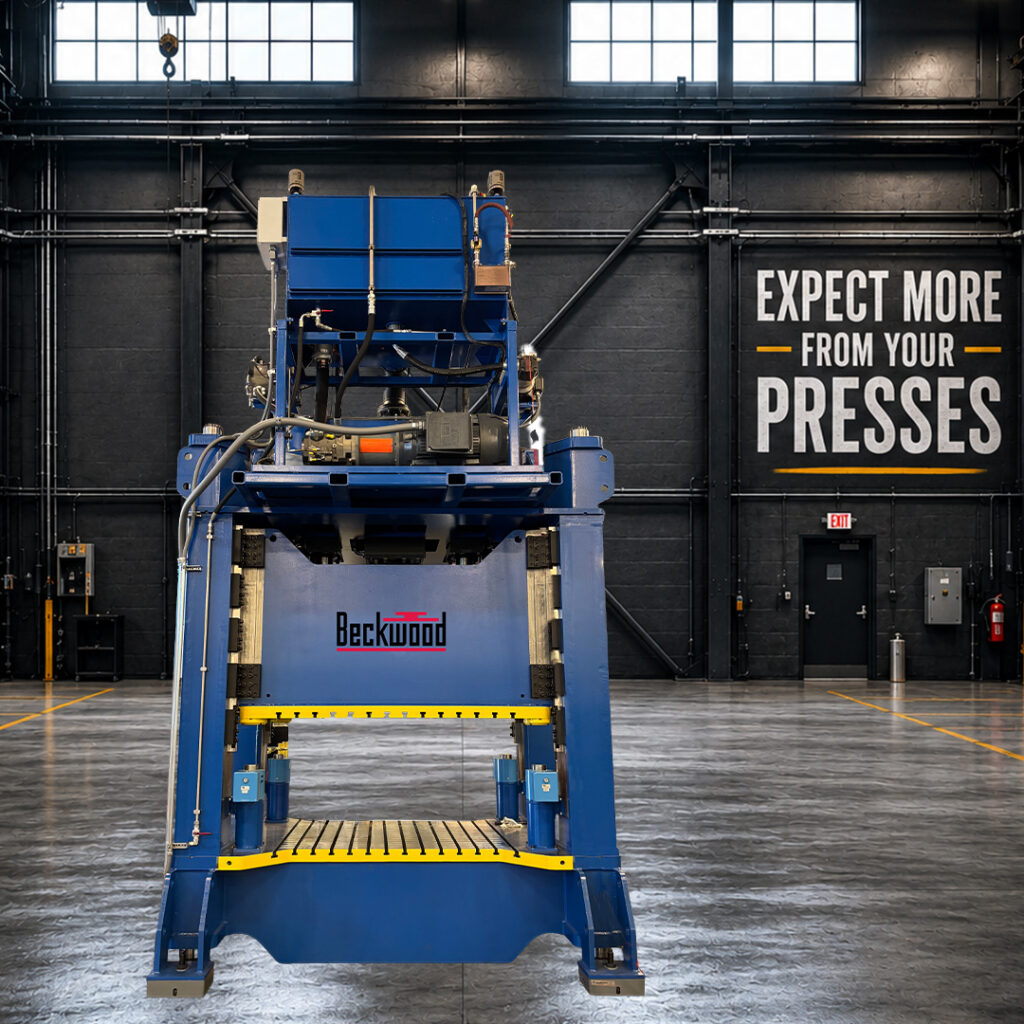
For manufacturers who need flexibility across both processes, Beckwood Press designs custom hydraulic presses capable of handling hot forming and superplastic forming alike. Beckwood’s engineering team works directly with clients to build presses around specific alloys, composites, and part geometries, rather than offering one-size-fits-all equipment.
One example of this real-world approach in action is Beckwood’s Radius Retrofit program. Rather than requiring a full press replacement when tooling needs change or a press starts to show its age, the Radius Retrofit upgrades existing equipment with updated controls, heating systems, and press capabilities, offering A&D and automotive manufacturers a practical path to modernized equipment without the downtime and cost of starting from scratch.
Whether a project calls for the matched tooling of hot forming or the gas-driven stretch of SPF, choosing the right side of hot forming vs SPF starts with understanding the material.
Choosing the Right Process for Your Materials
Hot forming and SPF are two branches of the same tree: both use extreme heat, heated platens, and low volume production to shape difficult materials into precise parts. But the tooling, the sealing method, and the materials each handle best set them apart in ways that matter for anyone specifying equipment.
For engineers weighing hot forming vs SPF for an aerospace sheet metal forming project or an automotive application, the answer comes down to the alloy or composite in question and the geometry you’re trying to achieve. Beckwood Press has spent years building the custom hydraulic presses that make both processes possible.