Deep Draw Sheet Metal Forming
Home / Press Applications / Deep Draw
Deep Drawing For Precision Sheet Metal Manufacturing
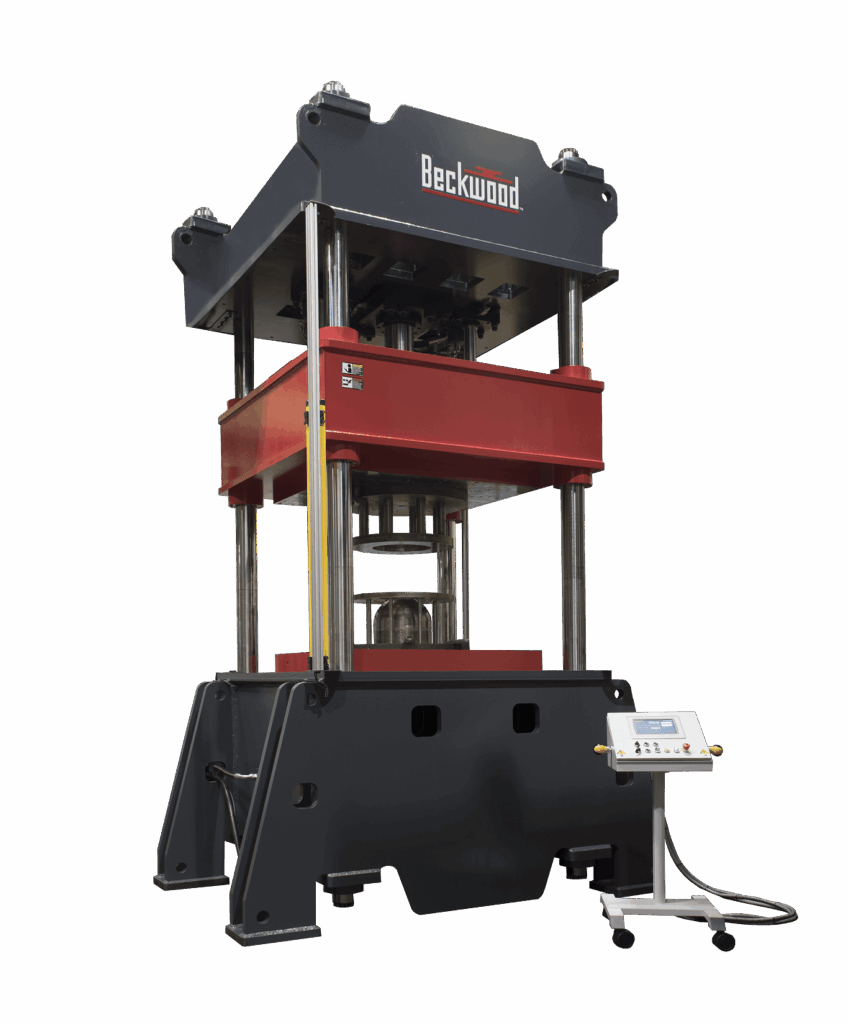
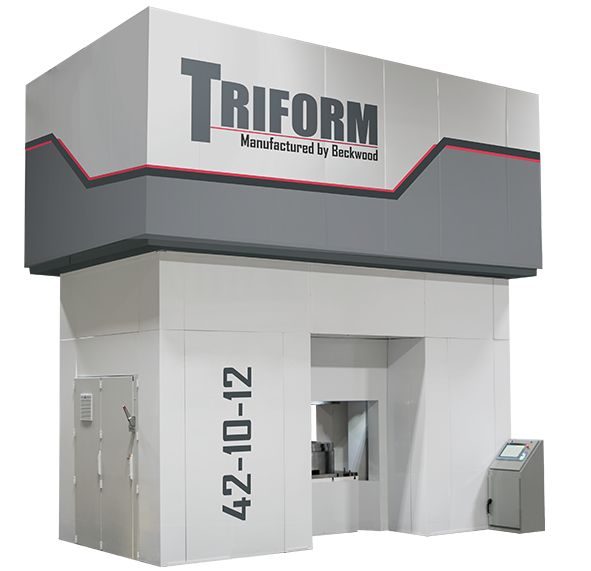
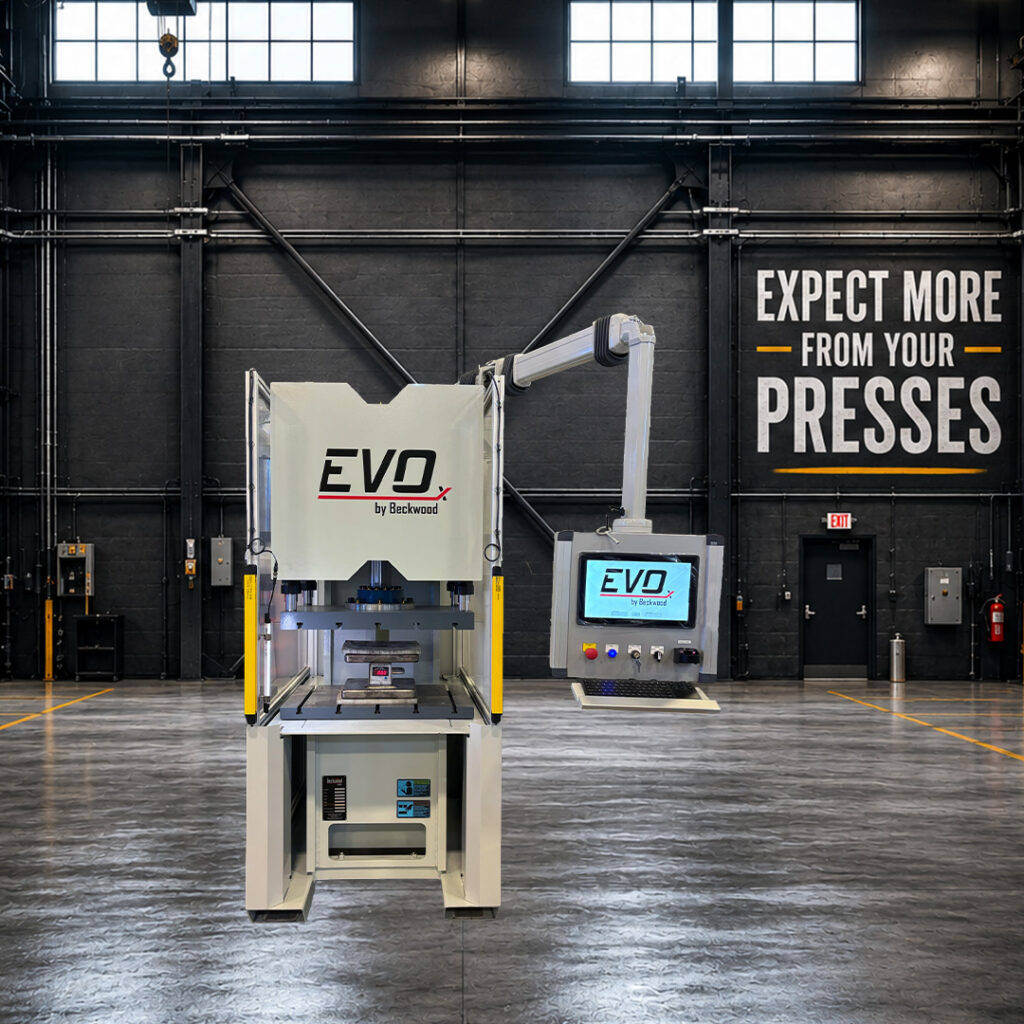
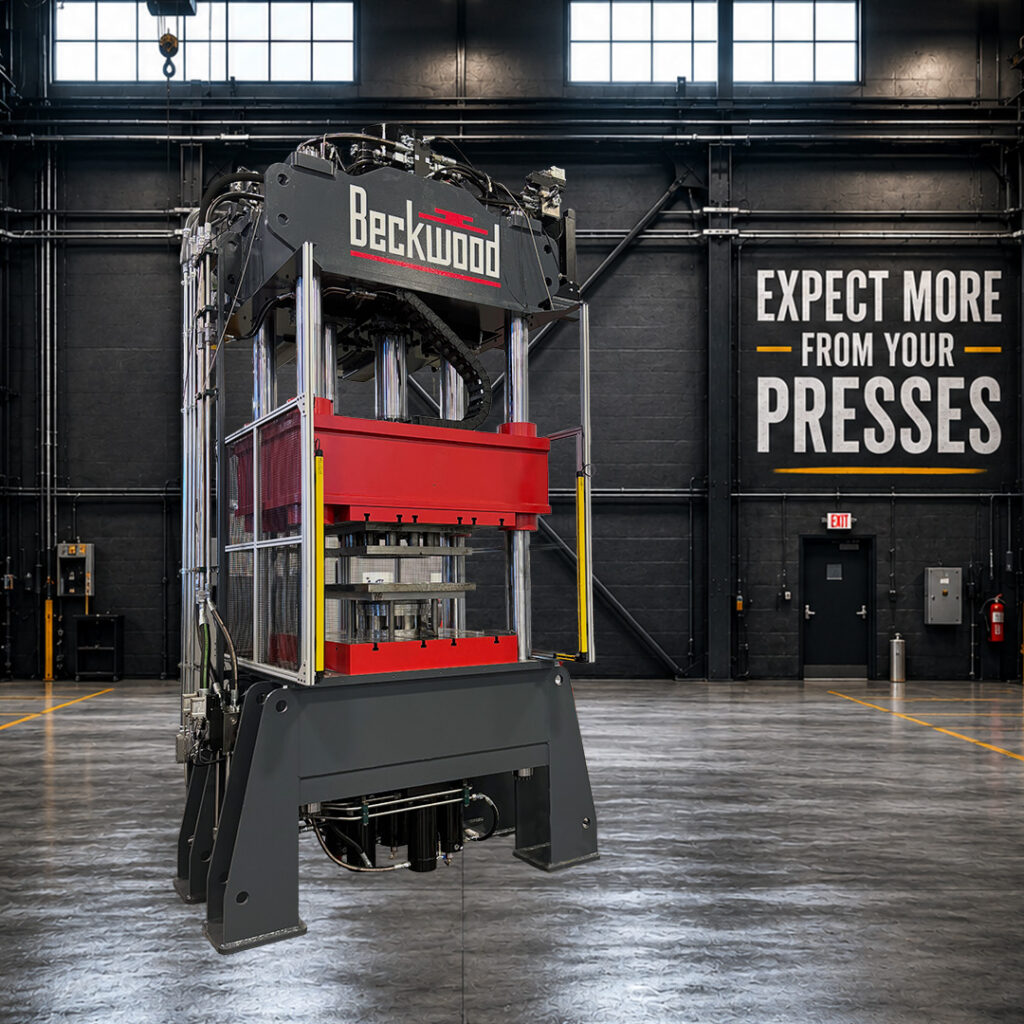
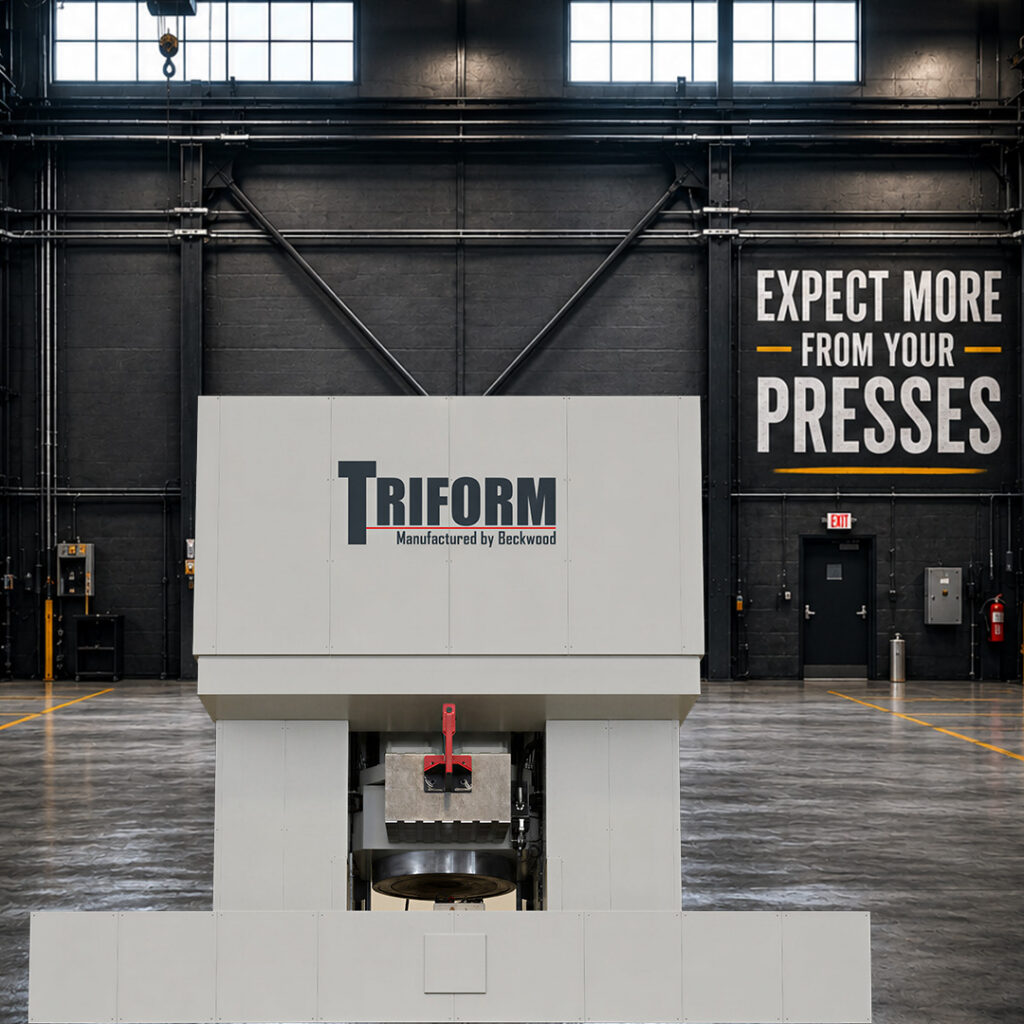
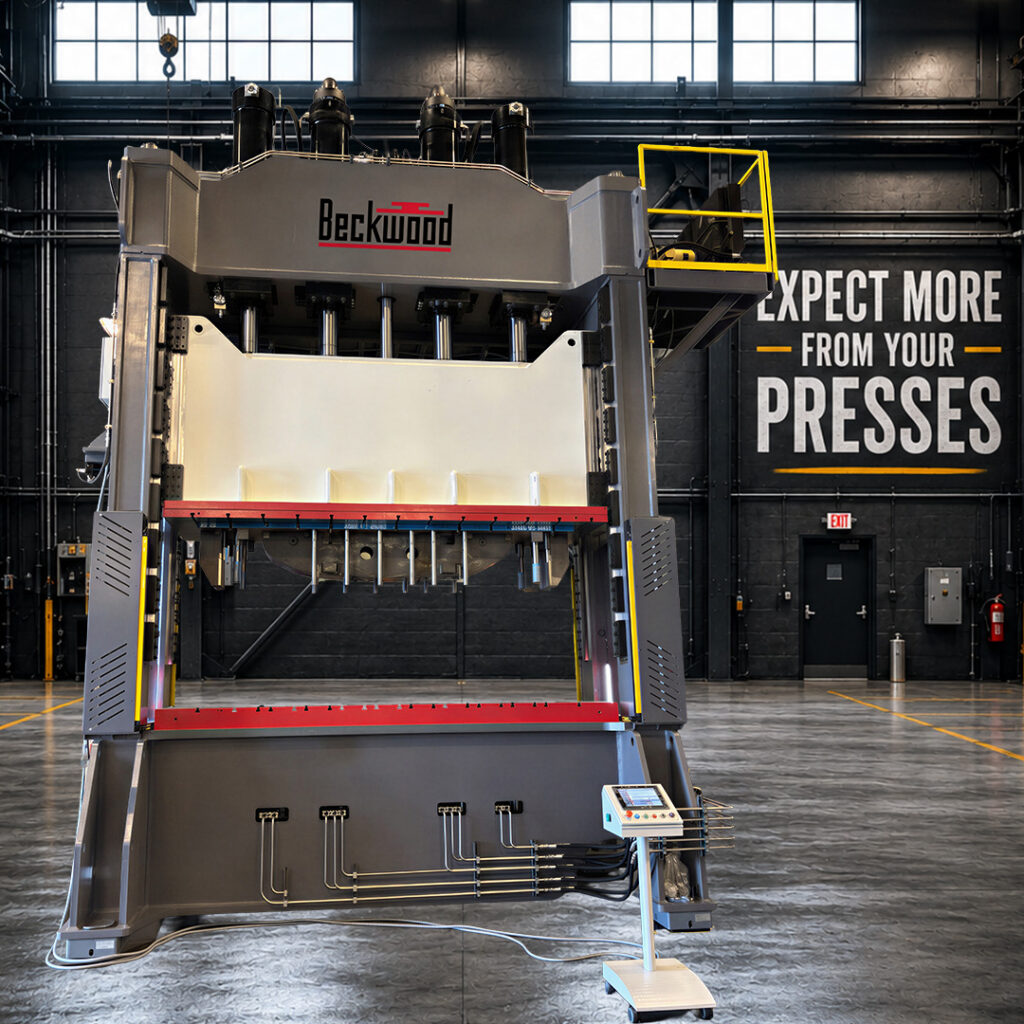
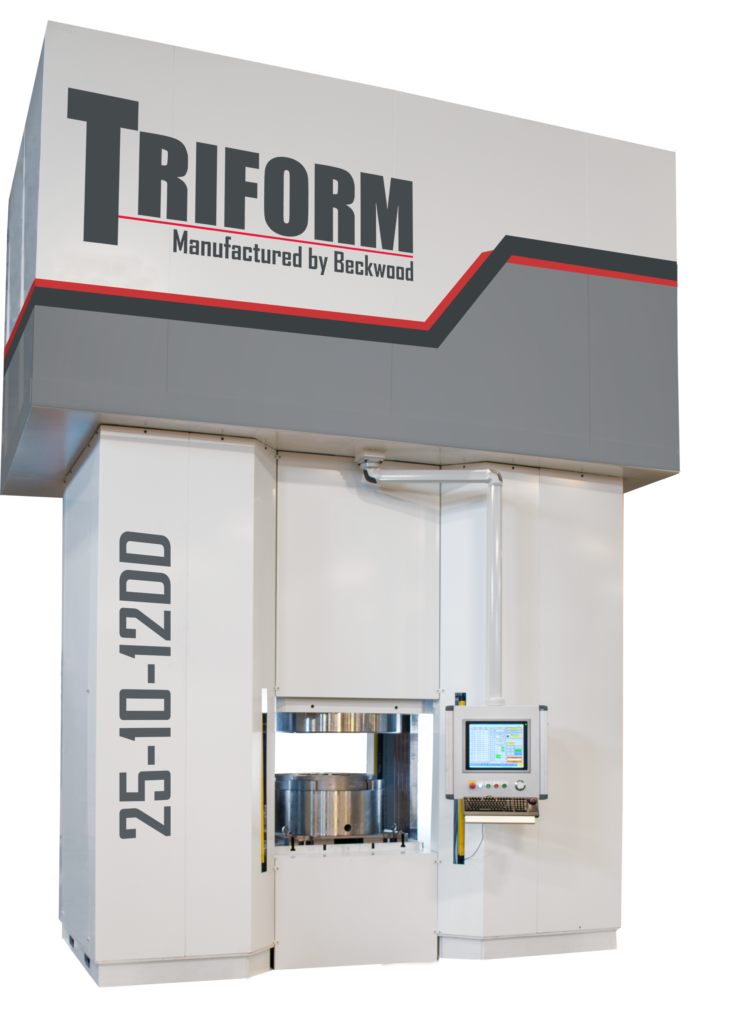
Deep draw is a sheet metal forming process that shapes flat sheet material (blanks) into seamless parts through controlled forming, blank holding, and material flow. The process relies on precise control of clamping pressure and motion to prevent defects such as wrinkling, tearing, or thinning. That’s why manufacturers rely on Beckwood’s nearly 50 years of expertise for customizable multi-action deep draw presses and TRIFORM™ sheet hydroforming presses for complex draw work. Common materials include aluminum, stainless steel, carbon steel, and high-nickel alloys such as Inconel and Haynes where dimensional accuracy, surface finish, and material integrity are critical. This process supports everything from prototype development to high-volume production across aerospace, defense, space, medical, automotive, appliance, and other industrial applications.
Deep Draw Press Design Considerations
Deep draw press design is driven by part size, part geometry, material type, and overall production volumes. These considerations influence press configuration and help determine which deep draw process is best suited for a given application.
Existing Forming Process
In many cases, manufacturers already have an established deep draw process and tooling. Replicating or adapting to that process with a new press can allow existing tooling to be reused while improving performance, consistency, or capacity.
Production Volume & Mix
Annual production volumes and part mix play a key role in process selection. High-volume, dedicated parts may justify a custom deep draw press optimized for throughput, while high-mix, low-volume environments often benefit from deep draw sheet hydroforming to minimize tooling cost per part.
Part Sizes & Geometries
Blank diameter, draw depth, draw ratio, material type, and tolerance requirements all influence press sizing and configuration. Larger parts, deeper draws, or tighter tolerances typically require greater control of force, motion, and material flow.
Tooling Considerations
Each deep draw process has unique tooling requirements. For new projects, tooling design should be aligned with press configuration early in the development cycle. Simulation software can be used to evaluate tooling feasibility and force requirements. Higher draw ratios or less formable materials may require multi-station tooling, multiple draw steps, or intermediate annealing.Â
Process Flow
Process flow is driven by production objectives and part characteristics. While some deep draw operations are manual, others require part manipulators, automated lubrication, blank destacking, or fully automated transfer systems. Secondary operations such as trimming or piercing should also be considered when defining the overall process.
Deep Drawing FAQ
What materials are commonly deep drawn?
Deep drawing is commonly used with aluminum, stainless steel, carbon steel, and specialty alloys, depending on part requirements and industry standards.
What role does a cushion play in deep drawing?
Cushions regulate blank-holding force during the draw, helping control material flow and reduce defects. The objective is to apply enough clamping pressure to eliminate wrinkling without inducing tearing or excessive thinning.
How do I know if my part will require multiple forming steps?
This is driven by draw ratio, material type, and part geometry. Allowable draw ratios (blank diameter to punch diameter) typically range from ~1.5× to 3× depending on material and process. Materials that work-harden quickly, such as high-nickel alloys, may require intermediate annealing. Parts with large unsupported areas, tapered walls, or complex geometries may also require staged forming.
What industries use deep draw presses?
Beckwood deep draw press systems are used across aerospace, defense, medical, automotive, appliance, energy, and industrial manufacturing applications.
Can Beckwood customize a deep draw press for my application?
Yes. Beckwood specializes in custom-engineered deep draw press solutions tailored to specific materials, part geometries, production volumes, and facility requirements.